
If you’re craving a tender, flaky treat that feels like a warm hug with every bite, you’ve got to try this Irish Currant Scones Recipe. These traditional scones are lightly sweetened, buttery, and perfect for breakfast or a cozy afternoon tea.

Jump to:
Why You'll Love This Recipe
I’m honestly obsessed with how easy these scones are to make, yet how perfectly tender and flaky they turn out every time. Plus, the bursts of dried currants add just the right touch of natural sweetness.
- Simple Ingredients: Made with basic pantry staples you probably already have.
- Buttery, Flaky Texture: Thanks to cold butter and heavy cream, these scones melt in your mouth.
- Versatile Snack: Perfect for breakfast, teatime, or a sweet little pick-me-up any time of day.
- Make-Ahead Friendly: Freeze leftovers baked or unbaked for fresh scones anytime.
Ingredients & Why They Work
Before you dig in, here’s a quick overview of the ingredients that make these Irish currant scones so wonderfully tender and flavorful. When choosing your ingredients, pick the freshest butter and cream for the best richness, and opt for quality dried currants or raisins for that sweet pop.
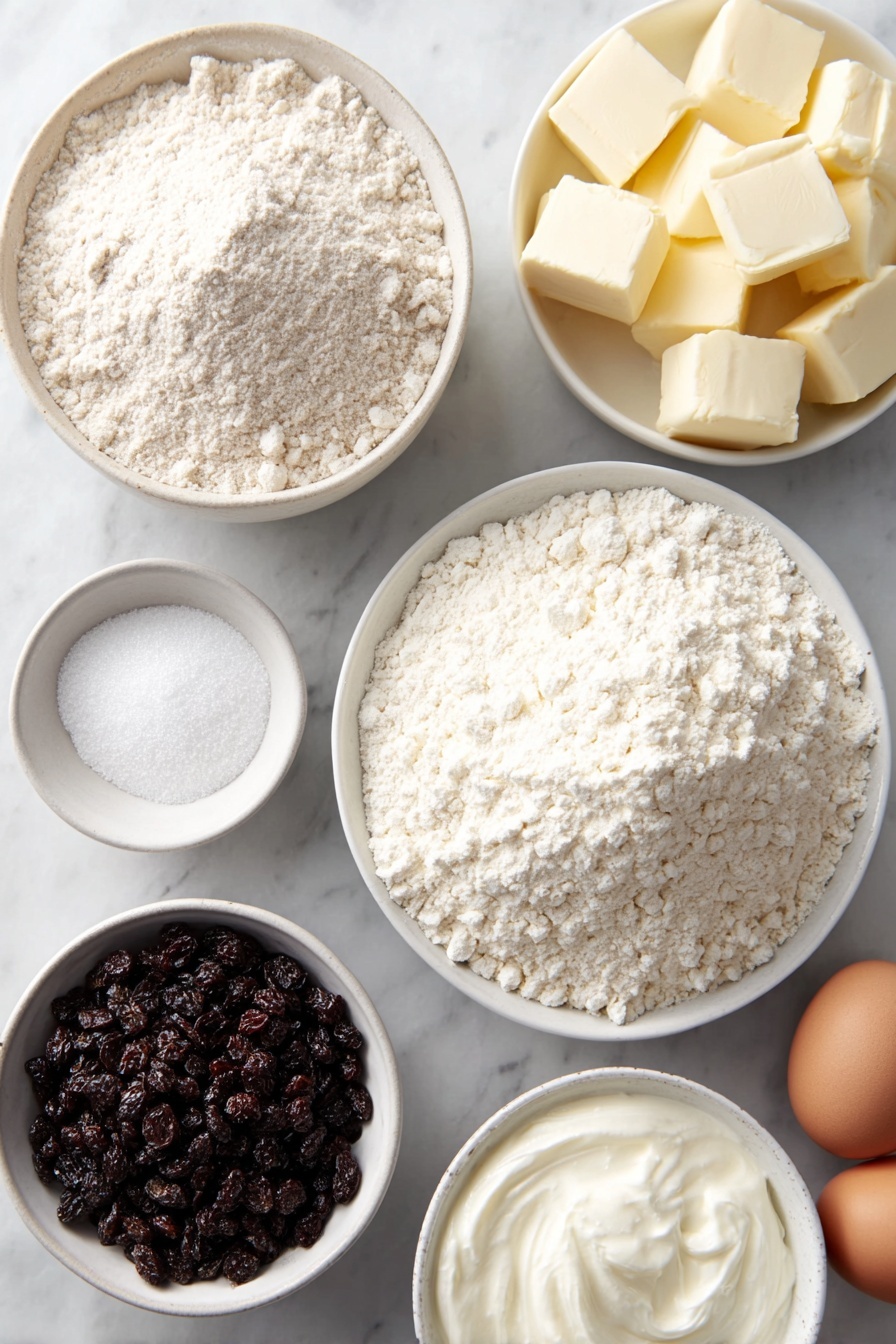
- All-purpose flour: The base of the scone, providing just the right structure.
- Sugar: Adds a subtle sweetness to balance the flavors.
- Baking powder: The leavening agent that helps the scones rise and become fluffy.
- Salt: Enhances the flavors and balances the sweetness.
- Cold unsalted butter: Crucial for flaky layers—keep it well chilled!
- Dried currants or raisins: Classic Irish touches that add chewy bursts of natural sweetness.
- Large eggs (beaten): Help bind the dough and add richness.
- Heavy cream: Brings moisture and tenderness, making the scones luxuriously soft.
- Egg for egg wash: Gives the scones a beautiful golden, glossy finish when baked.
Make It Your Way
The beauty of this Irish Currant Scones Recipe is how wonderfully adaptable it is — you can easily make it your own with a few simple tweaks. Whether you want to add a seasonal twist or accommodate dietary preferences, there’s plenty of room to get creative while still enjoying those tender, flaky scones we all love.
- Classic Variation: I love swapping currants for golden raisins or even chopped dried apricots for a bit of a sunny, fruity pop. It adds a lovely contrast to the buttery dough without overwhelming the traditional flavor.
- Gluten-Free Option: Try replacing the all-purpose flour with a gluten-free baking blend. Just be sure your blend includes xanthan gum or guar gum to keep the crumb tender and flaky. The texture changes slightly, but it’s still delicious!
- Herb-Infused Scones: For a savory twist, omit the sugar and add fresh herbs like thyme or rosemary directly into the dry ingredients. A smidge of cracked black pepper can complement the herbs beautifully.
- Dairy-Free Adaptation: Use a plant-based butter substitute chilled thoroughly and swap heavy cream for full-fat coconut cream to maintain richness. The scones might have a subtle coconut undertone but remain delightfully tender.
- Seasonal Fruits: Feeling festive? Incorporate chopped dried cherries or cranberries in place of currants around the holidays for a bright, tangy note that pairs perfectly with warm tea.
Step-by-Step: How I Make Irish Currant Scones Recipe
Step 1: Preheat and Prepare
First things first, preheat your oven to 350°F. This ensures it's hot and ready once your dough is formed. While the oven warms up, gather all your ingredients so you’re set up for a smooth baking experience.
Step 2: Combine Dry Ingredients
In a large mixing bowl, sift or whisk together 4 cups of all-purpose flour, 3 tablespoons of sugar, 2 tablespoons of baking powder, and 1 tablespoon of salt. This dry foundation evenly distributes the leavening and seasoning, giving your scones their signature rise and flavor balance.
Step 3: Cut in the Cold Butter
Add the ½ cup of cold unsalted butter, cut into small cubes, to the dry mix. Use a pastry cutter or two knives to chop the butter into the flour until it looks like coarse breadcrumbs. The butter should still be visible in tiny flakes—this is the secret to flaky scones. Stir in ¾ cup of dried currants or raisins now, so they’re evenly distributed.
Step 4: Mix Wet Ingredients
In a separate bowl or large measuring cup, whisk together 4 beaten eggs with 1 cup of heavy cream until fully combined. This creamy mixture will bind your dough without making it soggy.
Step 5: Bring the Dough Together
Slowly pour the wet ingredients into the dry, mixing gently with a spatula just until the dough begins to hold together. Be careful not to overwork it—you want it shaggy and moist, but not sticky or dense. Once it starts to clump, transfer the dough to a lightly floured surface.
Step 6: Knead Lightly and Roll Out
Gently knead the dough just enough to bring it together. Avoid heavy kneading which can toughen the scones. Then, either press with your hands or use a rolling pin to flatten the dough to about 1 inch thickness—this thickness strikes a perfect balance of tender crumb and buttery flakiness.
Step 7: Cut Your Scones
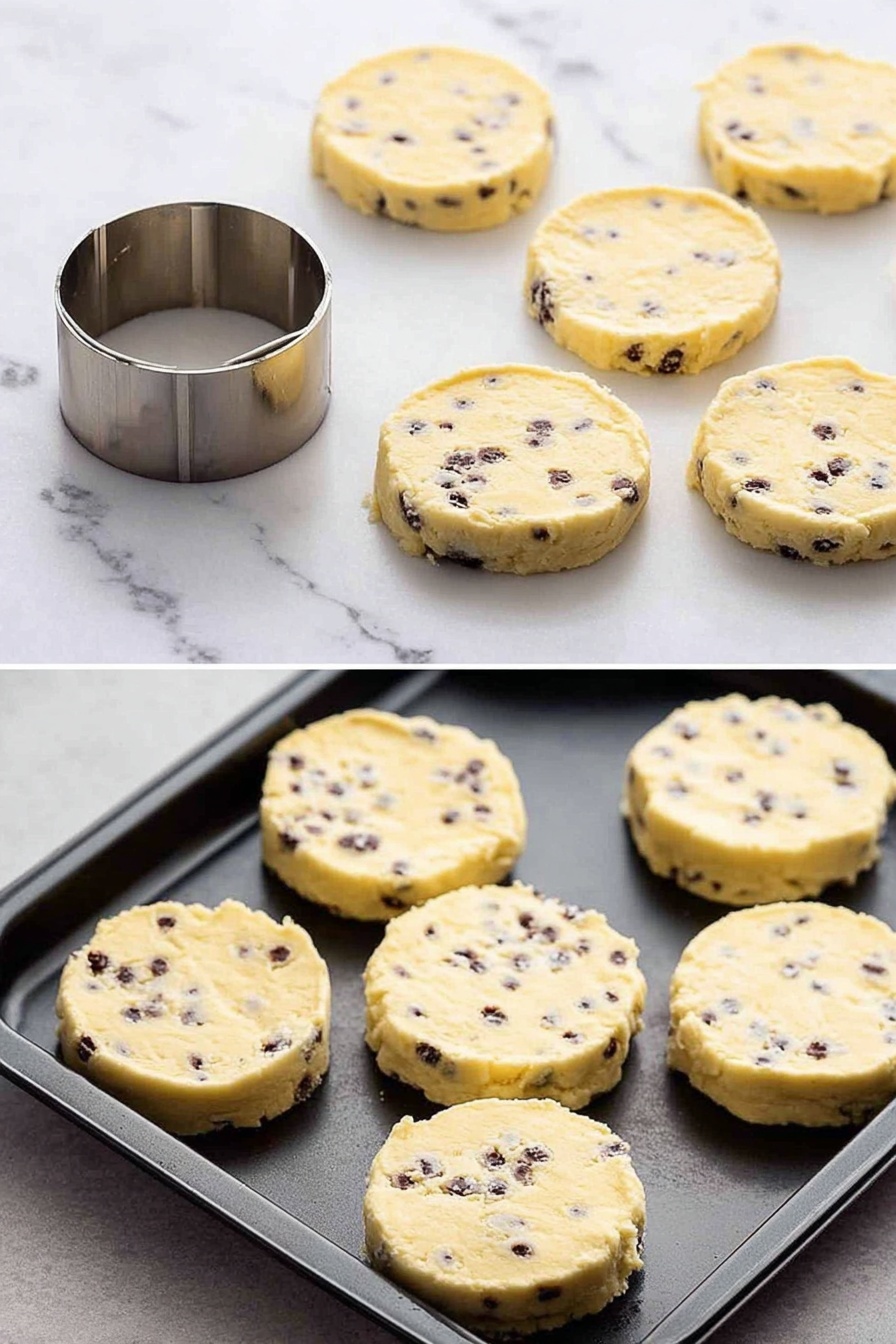
Use a 3-inch round cookie or scone cutter to cut the dough into 12 to 16 scones. I usually get 16 good-sized scones from this batch. Gather any leftover dough scraps, gently press them back together, and cut additional scones to minimize waste.
Step 8: Egg Wash for Golden Perfection
Place the cut scones on a baking tray lined with parchment paper. Brush the tops lightly with the beaten egg reserved for the egg wash. This helps create that gorgeous, shiny golden-brown crust that looks as good as it tastes.
Step 9: Bake Until Golden
Bake the scones in your preheated oven for 18 to 22 minutes, or until they have puffed up and turned a beautiful golden brown. You’ll know they're ready when the aroma fills your kitchen and the tops look delectably crisp.
Step 10: Cool and Savor
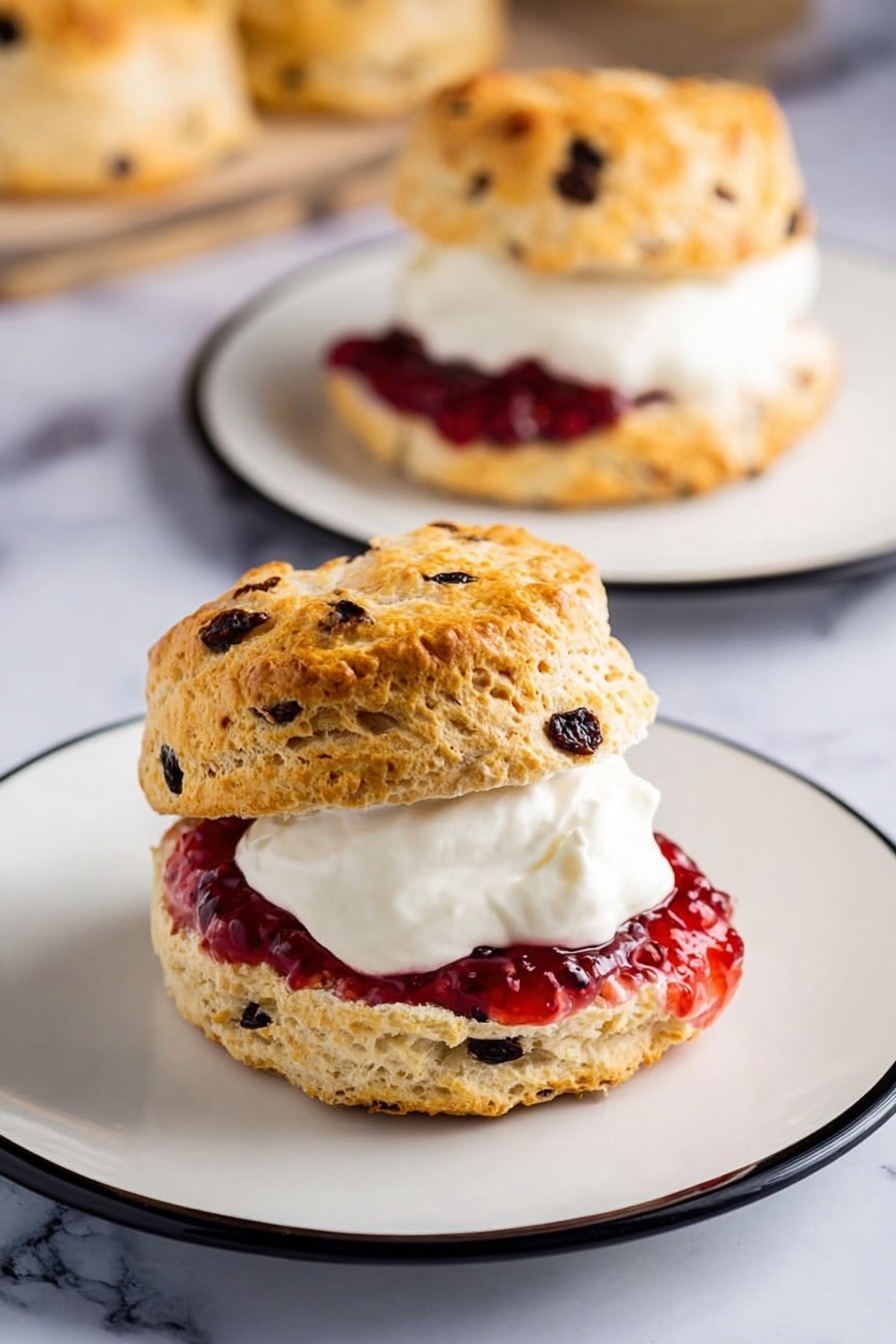
Remove the scones from the oven and transfer them to a wire rack to cool slightly. They’re best enjoyed warm with a pat of butter, your favorite jam, and traditional clotted cream for that authentic Irish teatime treat.
Top Tip
To get that perfect tender, flaky texture in your Irish Currant Scones Recipe, a few careful steps really make all the difference. These tips come straight from my own kitchen trials and triumphs, so you can avoid common pitfalls and bake confidently every time.
- Keep the Butter Ice Cold: I always freeze my butter cubes for at least 30 minutes before starting. This little trick creates those delightful flaky layers that make scones irresistible.
- Mix Just Until It Comes Together: Through many batches I learned that over-mixing leads to tough scones. Stop stirring as soon as the dough forms—it should be slightly shaggy but hold together.
- Use a Round Cutter for Even Scones: A 3-inch round cutter helps create uniform scones that bake evenly. Re-rolling scraps carefully without overworking keeps every piece tender.
- Brush with Egg Wash: Brushing the tops with a beaten egg before baking adds a beautiful golden glow that makes your scones look as good as they taste.
How to Serve Irish Currant Scones Recipe
Garnishes
These scones are lovely served warm with silky butter and a generous spread of your favorite jam—think strawberry or blackcurrant for that true Irish touch. Don’t forget a dollop of clotted cream to add a rich, dreamy finish. Fresh currants or a light dusting of powdered sugar can also dress them up beautifully for guests.
Side Dishes
For a complete breakfast or tea experience, serve your Irish Currant Scones alongside a pot of hot tea or fresh coffee. They pair wonderfully with a simple fruit salad or a bowl of creamy yogurt topped with honey and nuts. If you want something heartier, smoked salmon and cream cheese balance the sweet scones perfectly.
Make Ahead and Storage
Storing Leftovers
Once cooled completely, store any leftover scones in an airtight container at room temperature for up to two days. This keeps them soft and fresh without drying out. If you want to keep them longer, the freezer is your best friend.
Freezing
You can freeze Irish Currant Scones either baked or unbaked. For unbaked, shape them on your baking sheet, freeze until solid, then transfer to a freezer-safe bag. Bake directly from frozen, adding a couple of extra minutes to the baking time. For baked scones, let them cool completely, wrap individually in plastic wrap, and freeze. Reheat before serving for fresh-out-of-the-oven taste.
Reheating
Warm scones in a 300°F oven for about 8–10 minutes or until heated through. Microwaving works in a pinch but can make the texture a bit chewy. To revive freshness, pop them back in the oven instead of the microwave.
Frequently Asked Questions:
Absolutely! Dried raisins work just as well as currants and provide a lovely sweetness and texture in these scones.
No worries — you can grate cold butter using a box grater directly into the flour, then quickly mix it in. This method also helps keep the butter cold and creates a flaky texture.
Keep the butter cold, don’t over-mix or over-knead the dough, and add just enough liquid to bring it together. These steps ensure light, tender scones every time.
Yes! Shape your scones, freeze them on a tray until firm, then store in an airtight bag. When ready, bake them straight from the freezer, adding a few extra minutes to the baking time.
Final Thoughts
Making Irish Currant Scones at home is such a comforting and rewarding experience—they truly bring a bit of traditional Irish warmth to your table. Whether you're serving them for a cozy weekend breakfast or alongside afternoon tea with friends, these scones never fail to delight. I hope these tips and storage tricks help you savor these flaky, tender treats anytime you like. Happy baking!
Print
Irish Currant Scones Recipe
- Prep Time: 20 minutes
- Cook Time: 30 minutes
- Total Time: 50 minutes
- Yield: 16 scones 1x
- Category: Breakfast
- Method: Baking
- Cuisine: Irish
- Diet: Vegetarian
Description
Traditional Irish scones that are tender, flaky, and lightly sweetened with dried currants or raisins. Perfect for breakfast or an afternoon tea treat, these scones are easy to make with simple ingredients and a buttery texture enhanced by cold butter and heavy cream.
Ingredients
Dry Ingredients
- 4 cups all-purpose flour
- 3 tablespoons sugar
- 2 tablespoons baking powder
- 1 tablespoon salt
Wet Ingredients
- ½ cup cold unsalted butter, cut into cubes
- ¾ cup dried currants or raisins
- 4 large eggs, beaten
- 1 cup heavy cream
- 1 egg, beaten for egg wash
Instructions
- Preheat Oven: Preheat the oven to 350°F to ensure it reaches the correct baking temperature while you prepare the dough.
- Mix Dry Ingredients: In a large bowl, combine flour, sugar, baking powder, and salt and mix until evenly distributed.
- Cut in Butter: Add cubed cold butter to the dry mixture and use a pastry cutter or two knives to work the butter into the flour until the mixture resembles coarse breadcrumbs. Stir in the dried currants or raisins.
- Combine Wet Ingredients: In a separate large measuring cup, whisk together the eggs and heavy cream until well blended.
- Form Dough: Slowly pour the wet mixture into the dry ingredients and gently mix with a spatula until a dough begins to form. Be careful not to over-mix.
- Knead and Roll Out: Transfer the dough onto a lightly floured surface. Knead lightly just to bring the dough together, then press or roll it until about 1 inch thick.
- Cut Scones: Use a 3-inch round scone cutter to cut the dough into 12 to 16 scones, re-rolling scraps as needed to use all the dough.
- Prepare for Baking: Place scones on a baking sheet and brush the tops with the beaten egg for a golden finish.
- Bake: Bake in the preheated oven for 22 minutes or until the scones turn golden brown on top.
- Cool and Serve: Remove the scones from the oven and allow them to cool on a wire rack. Serve warm with butter, jam, and clotted cream.
Notes
- Cold Butter Is Key: Freeze butter for about 30 minutes before adding to the flour mixture to ensure flaky scones.
- No Pastry Cutter? Use a box grater to grate cold butter directly into the flour mixture, then mix quickly.
- Do Not Over-mix The Dough: Overworking the dough results in dense scones instead of tender, flaky ones.
- Don’t Add Too Much Liquid: Add just enough egg and cream mixture to bring dough together; excess liquid can make scones tough.
- Make Ahead & Freeze: Scones freeze well baked or unbaked; freeze for quick treats anytime.
- If Using Frozen Fruits: Add them just before cutting the dough to prevent melting and sogginess.
Nutrition
- Serving Size: 1 scone
- Calories: 220 kcal
- Sugar: 5 g
- Sodium: 280 mg
- Fat: 11 g
- Saturated Fat: 6 g
- Unsaturated Fat: 4 g
- Trans Fat: 0 g
- Carbohydrates: 27 g
- Fiber: 1 g
- Protein: 5 g
- Cholesterol: 75 mg



Leave a Reply